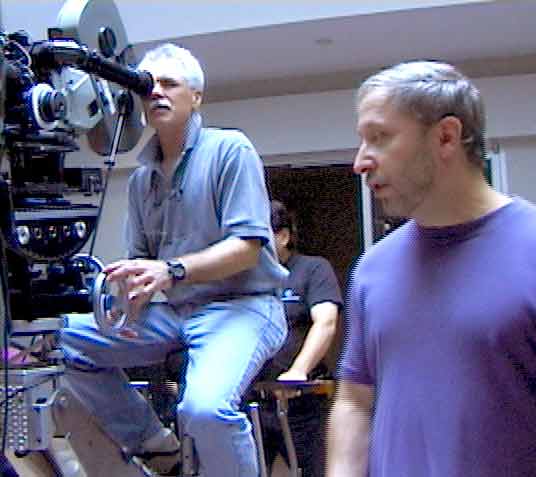
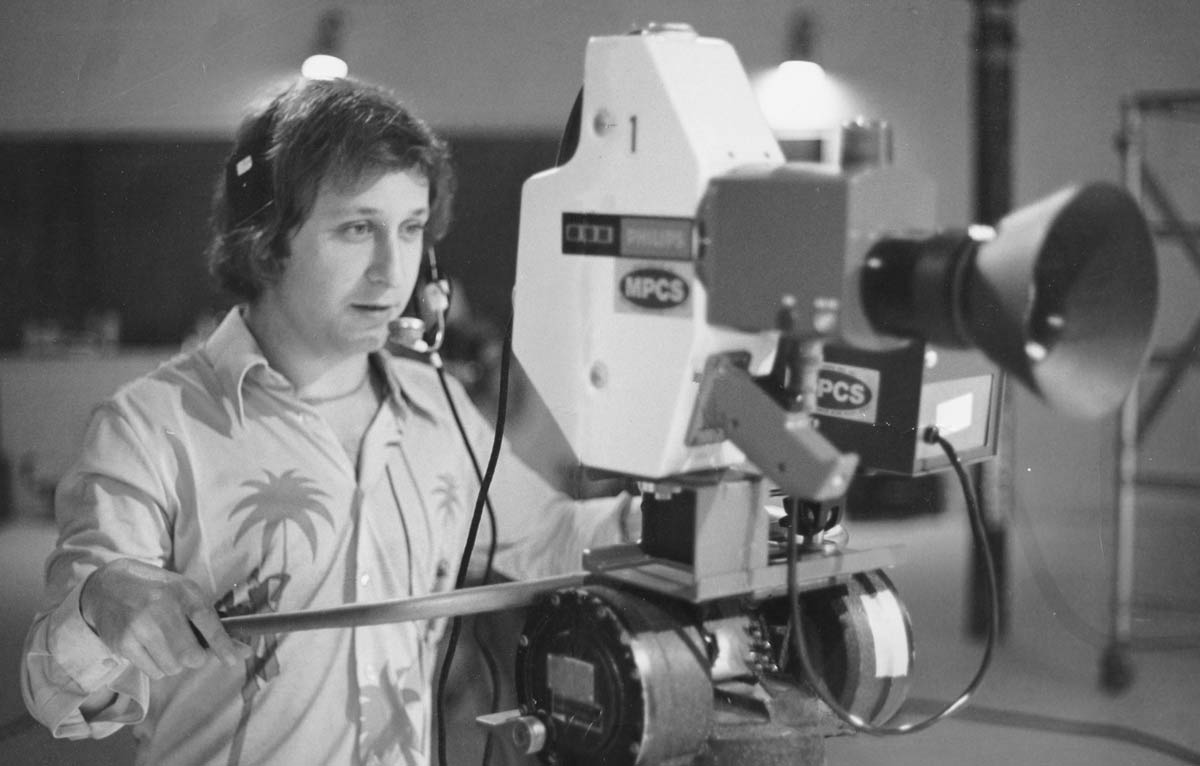
Sheldon, on how he learned to light
Back in the day, I was a production manager at a busy Manhattan TV studio. Celia was an NYU Film School graduate and a CBS camerawoman with her own video camera. Our friend Alan was a young editor who already had a Daytime Emmy. We were an energetic young brain trust, ready to unleash our talent on the TV commercial industry.
Our first client was Evelyn’s Beauty Land, a hair weaving salon in East Harlem. It was a thrill seeing our footage on TV at four in the morning. But something nagged at me when I watched our spots next to the big guys’. Our stuff didn’t look that good. I told myself it was the equipment.
About a year later, the jeans craze hit and we landed our biggest budget yet. I shot it on 35mm film with a good camera. The outdoor scenes, shot at golden hour, looked fine. The indoor scenes were still nowhere close to the big spots.
I asked a friend at Grey Advertising, a mid-level art director, to be brutally honest. What she told me defied everything I knew:
“It’s your lighting.”
The lighting they teach in film school isn’t the lighting major advertisers use. They hire cinematographers who are artists. Back then, a commercial DP of any note made $3,000 to $6,000 a day, and they were worth every penny.
Our break came when a national vitamin company hired us and we budgeted for a real DP. Lights went in counter-intuitive places. Every lamp was modified and bounced in ways I’d never imagined. When we screened the dailies, we sat in stunned silence. There was a texture and vibrance to the footage I had never seen in our work.
The vitamin spot opened agency doors that had been shut. From then on I hired top DPs who specialized in hair, food, beauty and automotive, and spent every spare moment practicing what I’d watched them do. Eventually, on a multi-day shoot where the DP was only available for one day, I lit the other days myself. The client and I were both happy with everything we saw.
With rare exceptions, I’ve been the director and DP ever since. Today we handle some of the toughest specialties there are: food, hair, beauty and automotive. We aim for a national look on every production, because it makes a real difference to how well the work sells.
 Richman